Bosch e-Bike Motors Guide
Bosch e-bike systems are the gold standard for reliability, but their naming convention can be a bit confusing. With the release of the Gen 5 Performance Line CX (BDU384Y) and the lightweight SX motor, understanding what is powering your bike can be complicated. Whether you are buying a new 2026 model or looking to service a trusty Gen 2, this guide breaks down every generation, every BDU code, and – crucially for our customers – what can actually be repaired.
The 2025/2026 Lineup: Gen 5 & SX
Released Late 2024 for Model Year 2025/2026
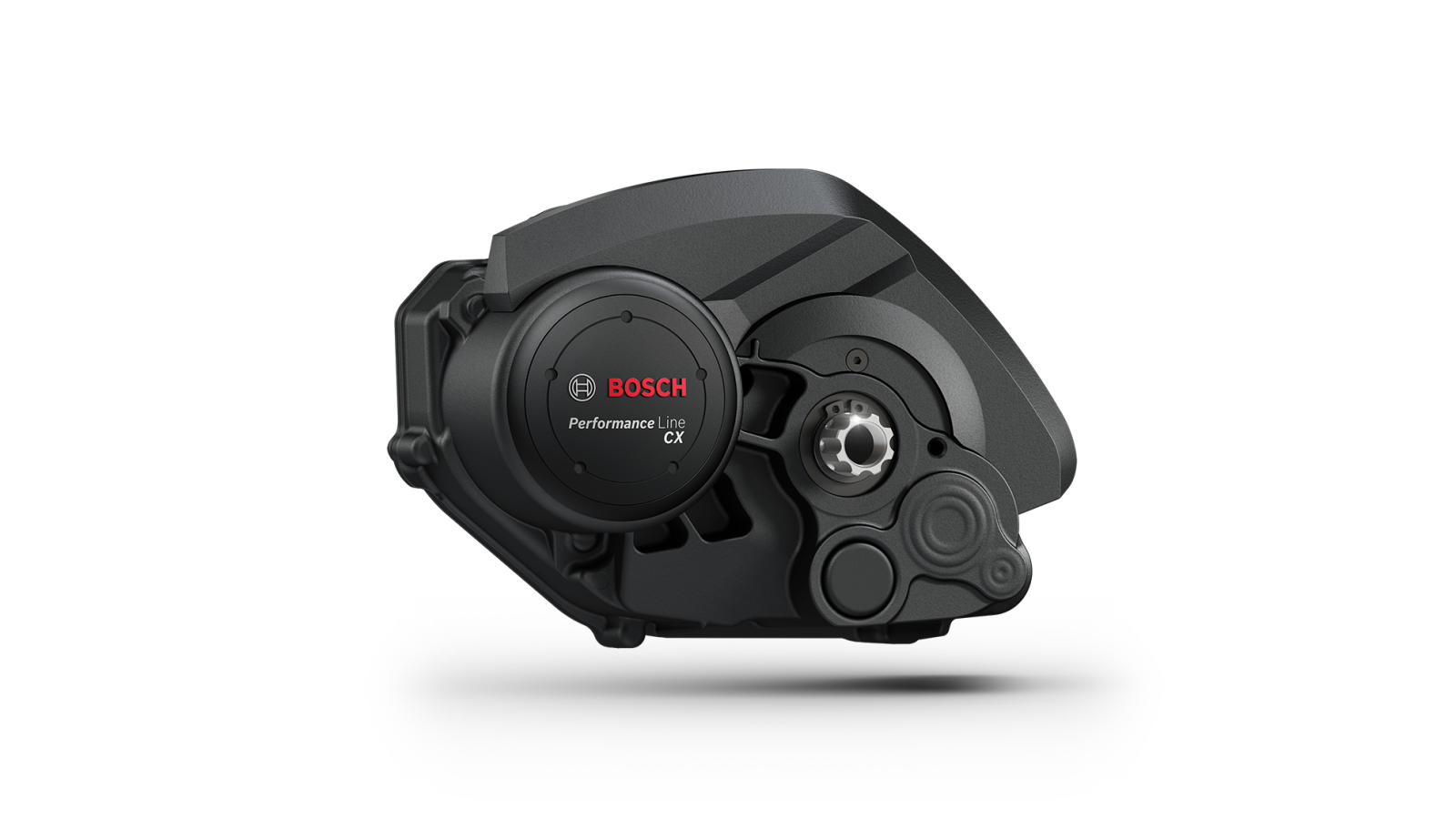
This is the new flagship motor. With more force (100 Nm) and power (750 W peak), it is quite distinct from the Gen 4 in both its internal and external design.
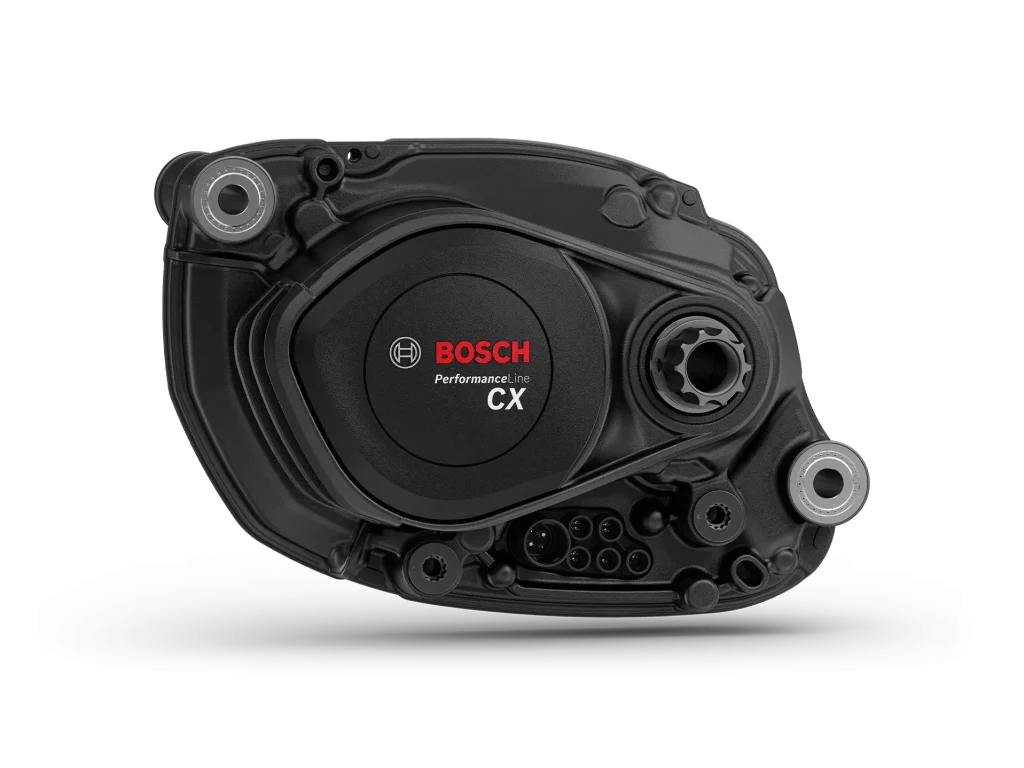
The Big Change: It uses a very different internal gear system to decouple the chainring and eliminate the rattle specific to the Gen 4 motors. It is significantly quieter on downhills (no more “clacking” noise).
Sensors: New inertial sensors (IMU) are used to detect slope and tilt, preventing spin-outs on steep climbs and improving the behaviour of the motor.
Mounting: It uses a 2-bolt mounting pattern (similar to the SX), meaning it cannot be swapped into a frame designed for a Gen 4 (which uses 3 bolts).
The Gen 5 & SX Mounting System

The most visible change in the 2026 ecosystem is the physical mounting interface. Both the Performance Line CX Gen 5 (BDU384Y) and the Performance Line SX (BDU314Y) use a 2-bolt Mounting System (Pivot-Mount), abandoning the 3-bolt pattern used on Gen 4. This has significant advantages for frame designers and bicycle manufacturers, and resolves some ongoing issues with the mounting plates of the Gen 4 motors. However, it has brought on its own set of problems.
The Floating Bushing Problem
Bosch designed the non-drive side (left side) mount with a “floating” plastic bushing to account for frame manufacturing tolerances.
- The Issue: On some frames, the tolerance gap is too wide for the stock bushings. [New Bosch CX generation 5 – seal/bush problem – EMTB Forums] This causes the mounting bolts to visibly wobble, leading to creaking and, in extreme cases, accelerated wear on the magnesium casing.
- The Fix: Bosch has confirmed that an upgrade kit with expanding collets will be available. As soon as it is released, it will be added to the BiciFix online shop.
Repairability: The verdict is still out for this motor, but given Bosch’s past approach to motor reliability, we do not expect Bosch to provide spare parts or repair guides. However, due to the popularity of this motor, independent service centers like us at BiciFix are already exploring repair possibilities.
The Bosch Gen 2, Gen 3, Gen 4 and Gen 5 motors. What is this?
In the biking community, Bosch motors are often known as Bosch Gen 1, Bosch Gen 2, etc. This naming isn’t official and doesn’t work for all motors, but it is in common use. There are generally five generations of Bosch motors. It is mostly the Performance Line CX motors that are named as such. Many of the ActiveLine motors don’t fit in this naming convention, although they are generally called Gen 3 motors. Here is a quick summary of the Bosch motors using the generational nomenclature released up until 2026:
Bosch Gen 1 Motors (2011 – 2013) – The first Bosch eBike Systems entry into the eBike world. Mid-drive motors that hang under the bike. They are incompatible with subsequent systems.
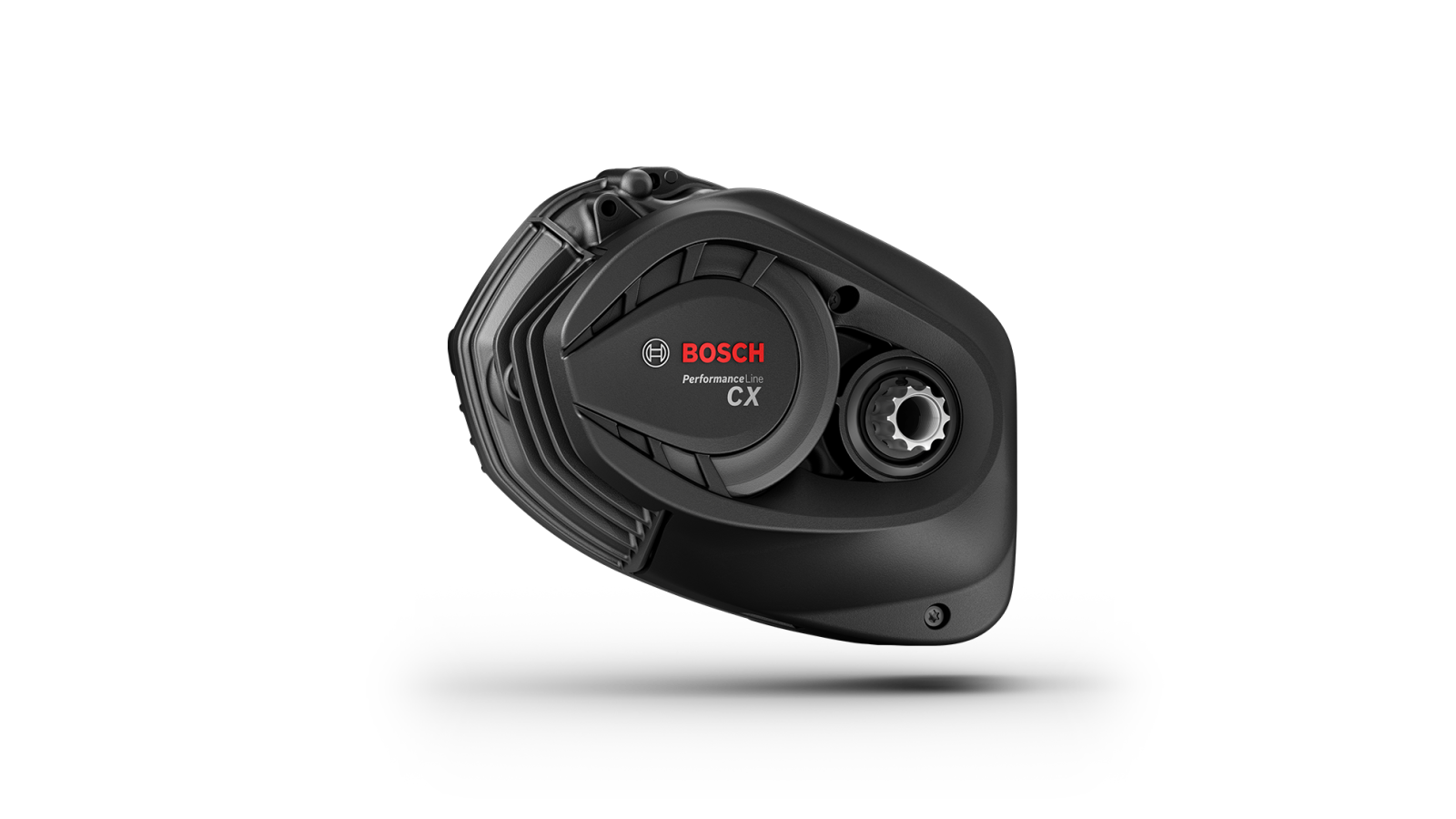
Bosch Gen 2 (2013 – 2019) – The longest-running Bosch motor line, fitted to a wide variety of bicycles and one that made the Bosch name well known across the community. A common element is the small front chainring.
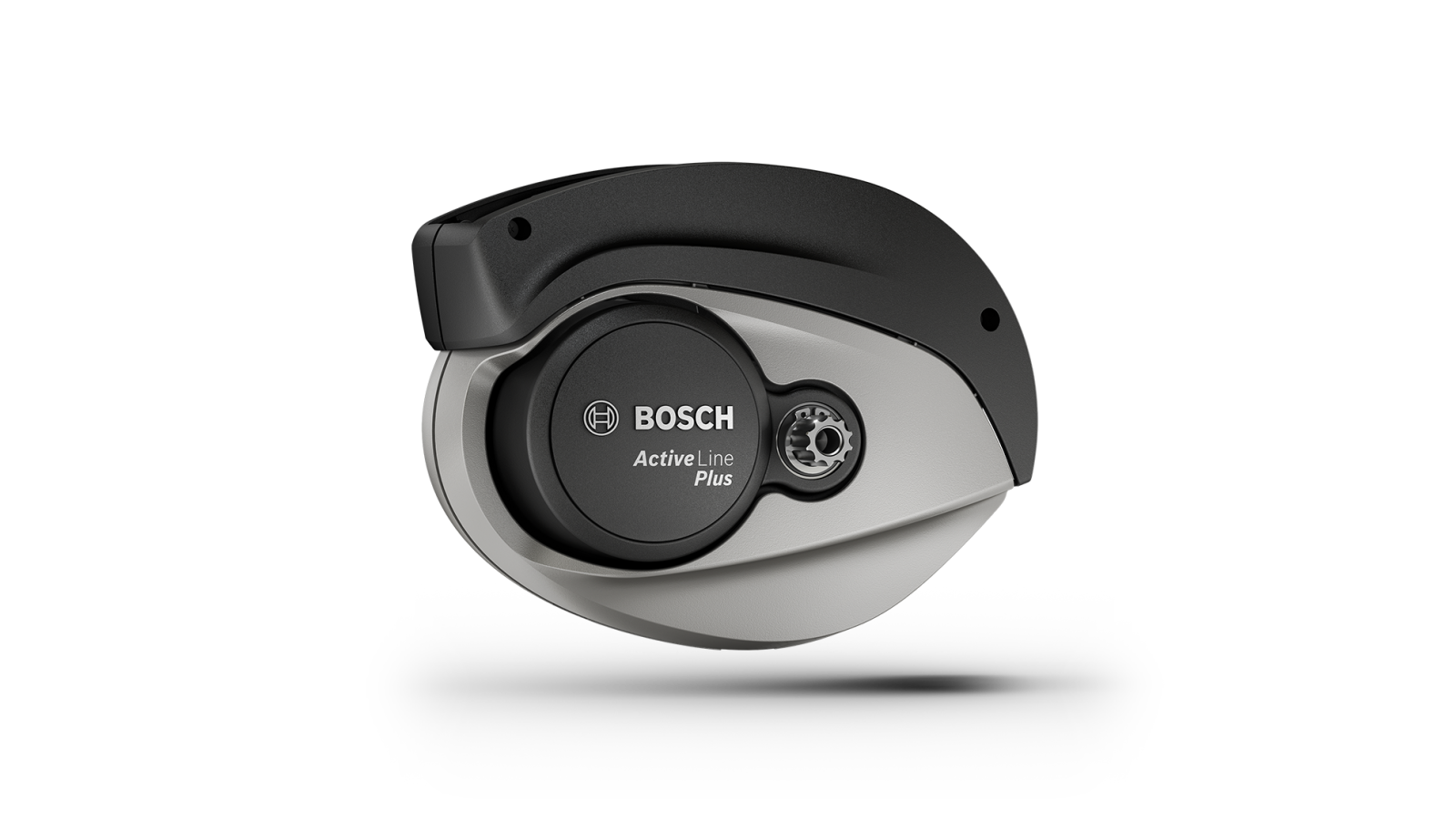
Bosch Gen 3 (2018 – 2020) – These are mostly city bike motors, easily identified by the large front chainring, rounded profile, and the Active Line or Performance Line (not CX) name.
Bosch Gen 4 (2020–2022) and Bosch Gen 4 Smart System (2022–2025) – Gen 4 are arguably the most popular Bosch motors today and are much smaller than the Gen 2 motors. They have visible radiator fins and a large chainring. In 2022, the Gen 4 motors received a software and electronics update—the Bosch Smart System. Mechanically, the motors are largely the same.
Bosch Gen 5 – The new 2025/2026 Performance Line CX motor, with a two-bolt mounting style.
The “Smart System” (BES3) vs. System 2 (BES2)
Apart from having different motors, there is a broader Bosch ecosystem that includes the batteries, cable management, and controls. All these components communicate with each other, and Bosch – being Bosch – uses the CAN system they developed in the 1980s for the automotive industry (all modern cars use the CAN protocol for communication between their components) in their eBike systems.
There are three main communication systems used in Bosch eBike systems, and there is an important distinction between error codes depending on which Bosch system your bike uses.
- First Gen bikes use an incompatible and now unsupported communication protocol.
- System2: The standard from roughly 2013 to 2021. It uses the CANBus protocol. It can be identified by round/oval charging plugs and displays like the Intuvia (original) and Purion.
- The Smart System: Introduced in 2022 and the standard for 2025/2026. It uses a newer version of the CAN protocol, with an additional encryption layer, making modifications more difficult. It can be identified by rectangular charging plugs, “Flow App” connectivity, and displays like the Kiox 300/500 and Purion 200.
The Smart System wasn’t just an update with new displays and Bluetooth connectivity — it represented a complete redesign of the internal communication architecture, introducing a new encrypted CAN protocol that improves both security and system complexity.
Warning: Parts are NOT interchangeable!
You cannot mix batteries, displays, or chargers between them. If your bike has the “Flow App” sticker or uses a rectangular charge port, you have the Smart System. Do not buy “System 2” parts for it.
Bosch eBike Systems Ebike Motors Table
Bosch SmartSystem Motors (Drive Units):
| Motor Name | Code | Model Year | Torque and power | Weight | Mounting System | |
|---|---|---|---|---|---|---|
| Bosch Performance Line CX Gen 5 | | BDU384Y | 2025+ | 100 Nm / 750 W | 2.8 kg | 2-Bolt (Pivot) |
| Performance Line CX-R | BDU386Y | 2025+ | 100 Nm / 750 W | 2.7 kg | 2-Bolt (Pivot) | |
| Performance Line Speed | BDU388Y | 2025+ | 100 Nm / 750 W | 2.7 kg | 2-Bolt (Pivot) | |
| Performance Line PX | BDU347Y | 2025+ | 90 Nm / 700 W | 2.9 kg | 2-Bolt (Pivot) | |
| Performance Line SX | BDU314Y | 2024+ | 60 Nm / 600 W | 2 kg | 2-Bolt (Pivot) | |
| Performance Line CX Race Limited Edition | BDU376Y | 2023+ | 85 Nm / 600 W | 3-Bolt (Standard) | ||
| Performance Line CX Gen 4 Smart System | BDU374Y | 2022+ | 85 Nm / 600 W | 2.9 kg | 3-Bolt (Standard) | |
| Performance Line Speed | BDU378Y | 2022+ | 85 Nm / 600 W | 2.9 kg | 3-Bolt (Standard) | |
| Performance Line | BDU336Y | 2022+ | 75 Nm / 600 W | 3.2 kg | Active Line Type | |
| Active Line Plus | BDU334Y | 2022+ | 50 Nm / 600 W | Active Line Type | ||
| Active Line | BDU332Y | 2022+ | 40 Nm / 586 W | 2.9 kg | Active Line Type |
Repairability: The verdict is still out for this motor, but given Bosch’s past approach to motor reliability, we do not expect Bosch to provide spare parts or repair guides. However, due to the popularity of this motor, independent service centers like us at BiciFix are already exploring repair possibilities.
Bosch System2 Motors (Drive Units)
The System2 motor naming is quite a bit more confusing, due to the fact that different motors often wear the same name.
| Motor Name | Code | Model Year | Torque and power | Weight | Mounting System | |
|---|---|---|---|---|---|---|
| Performance Line CX Gen 4 | | BDU450CX | 2020+ | 85 Nm / 600 W | 2.9kg | 3-Bolt (Standard) |
| Performance Line CX Gen 2 | | BDU250P CX | 2019+ | 85 Nm | 2.9 kg | Gen 2 |
| Performance Line Gen 2 | 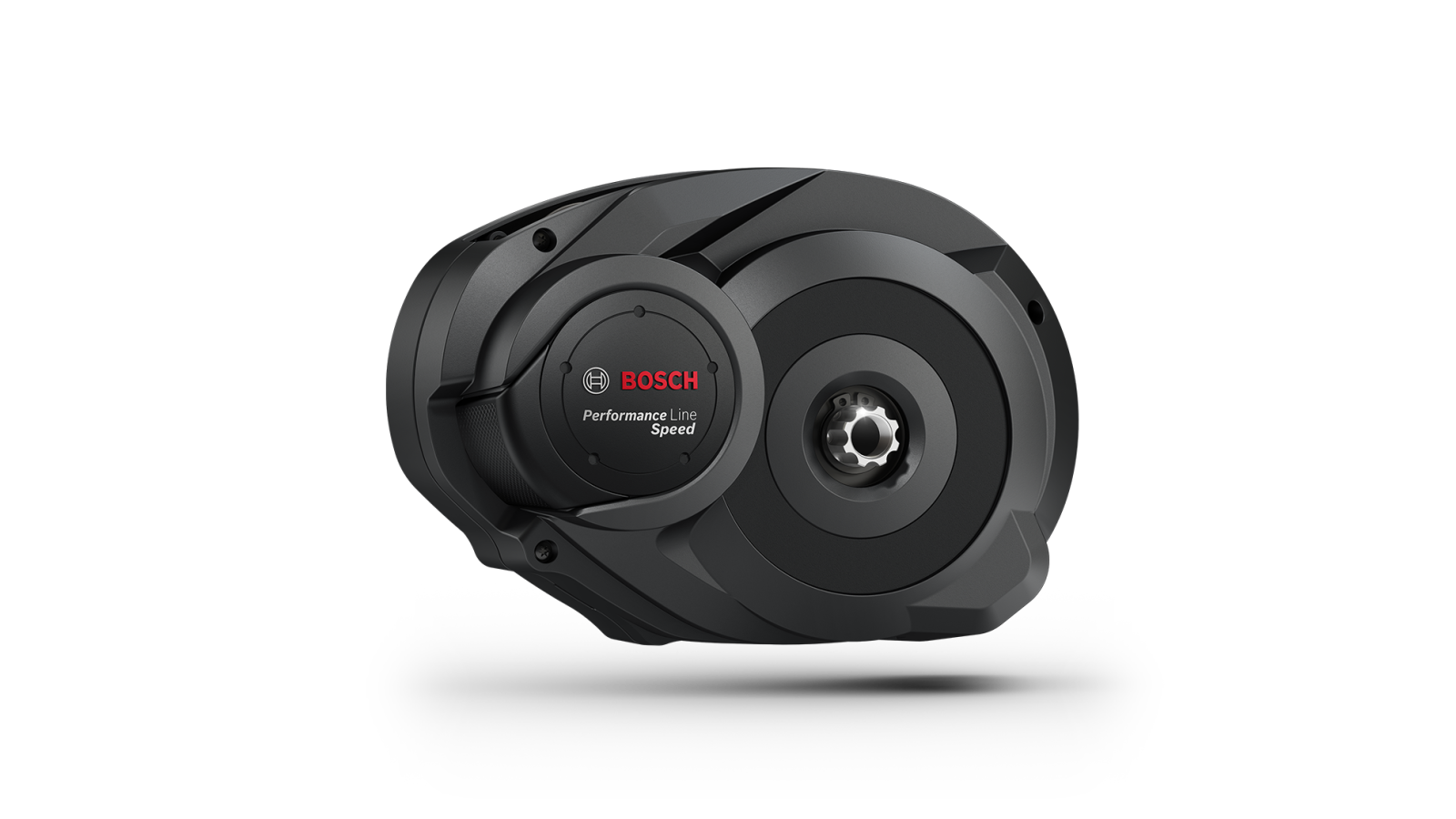 | BDU490P | 2019+ | 85 Nm | 3.2 kg | Gen 2 |
| Performance Line Gen 3 | 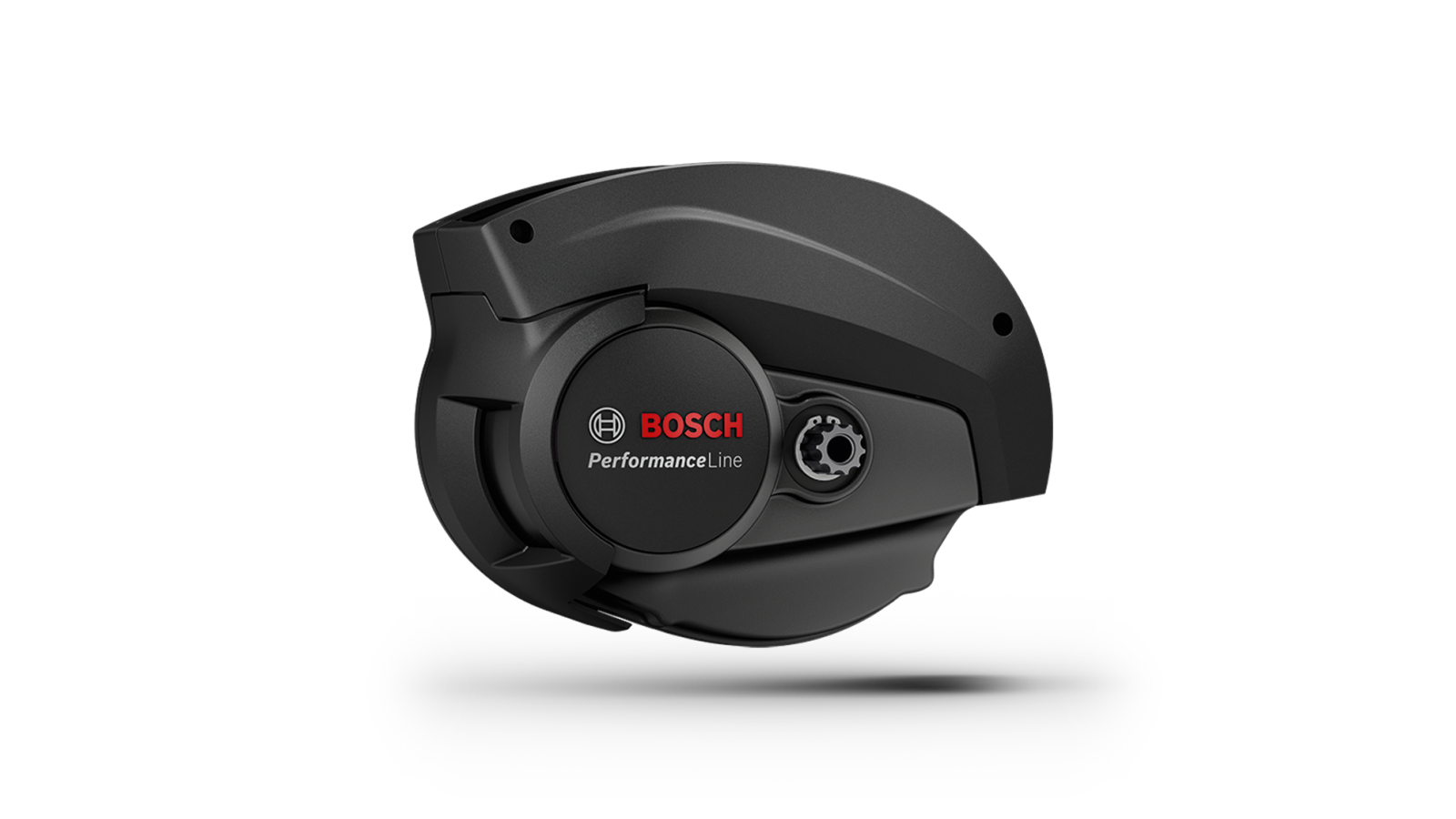 | BDU365P | 2019+ | 65 Nm / 600 W | 3.2 kg | Active Line Type |
| Performance Line | | BDU2xx | 2020+ | 65 Nm / 600 W | 3.2 kg | Active Line Type |
| Active Line Plus Gen 3 | | BDU350 | 2019+ | 50 Nm / 586 W | 3.2 kg | Active Line Type |
| Active Line Gen 3 | 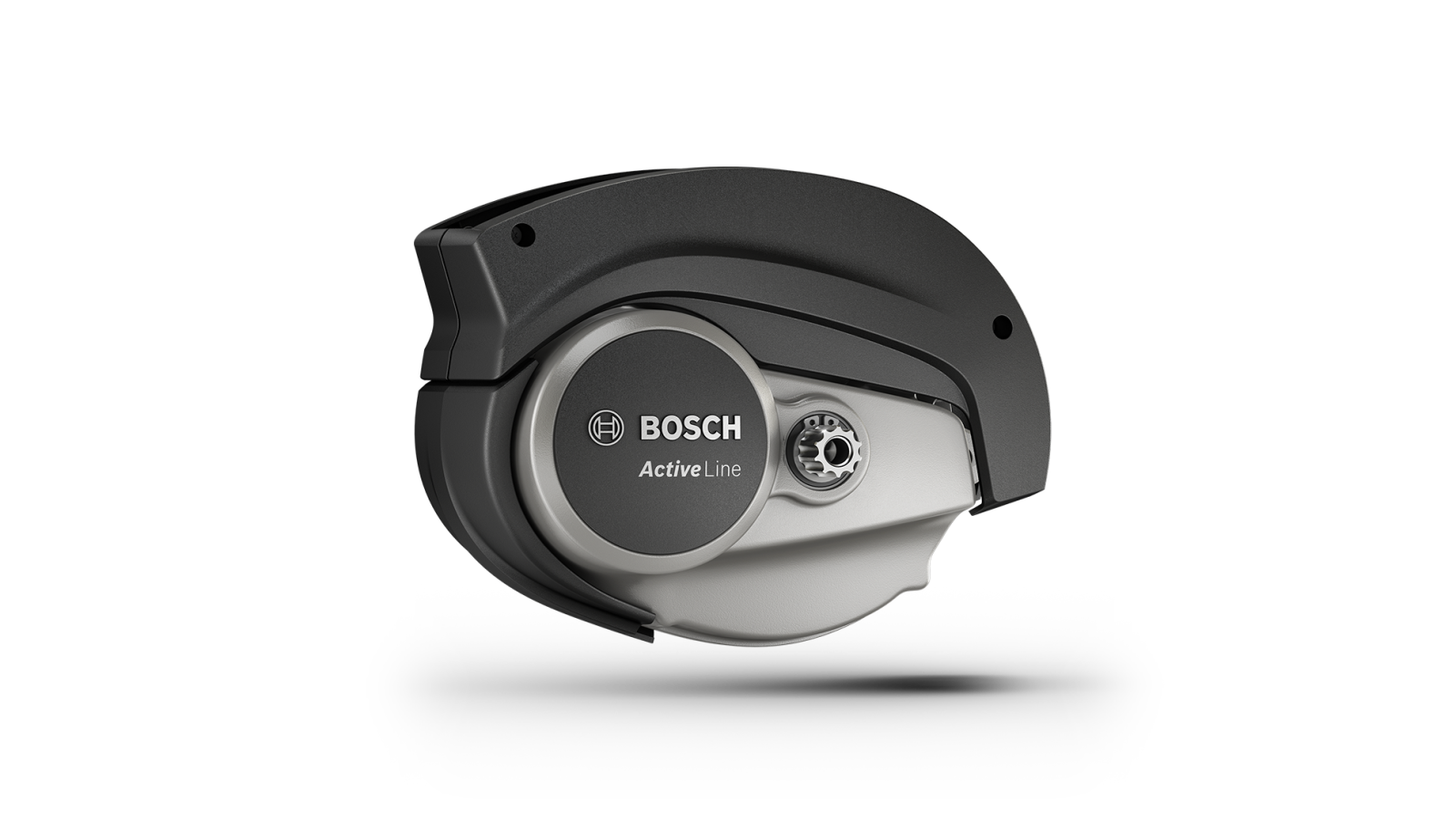 | BDU310 | 2019+ | 40 Nm | 2.9 kg | Active Line Type |
| Active Line Gen 2 | 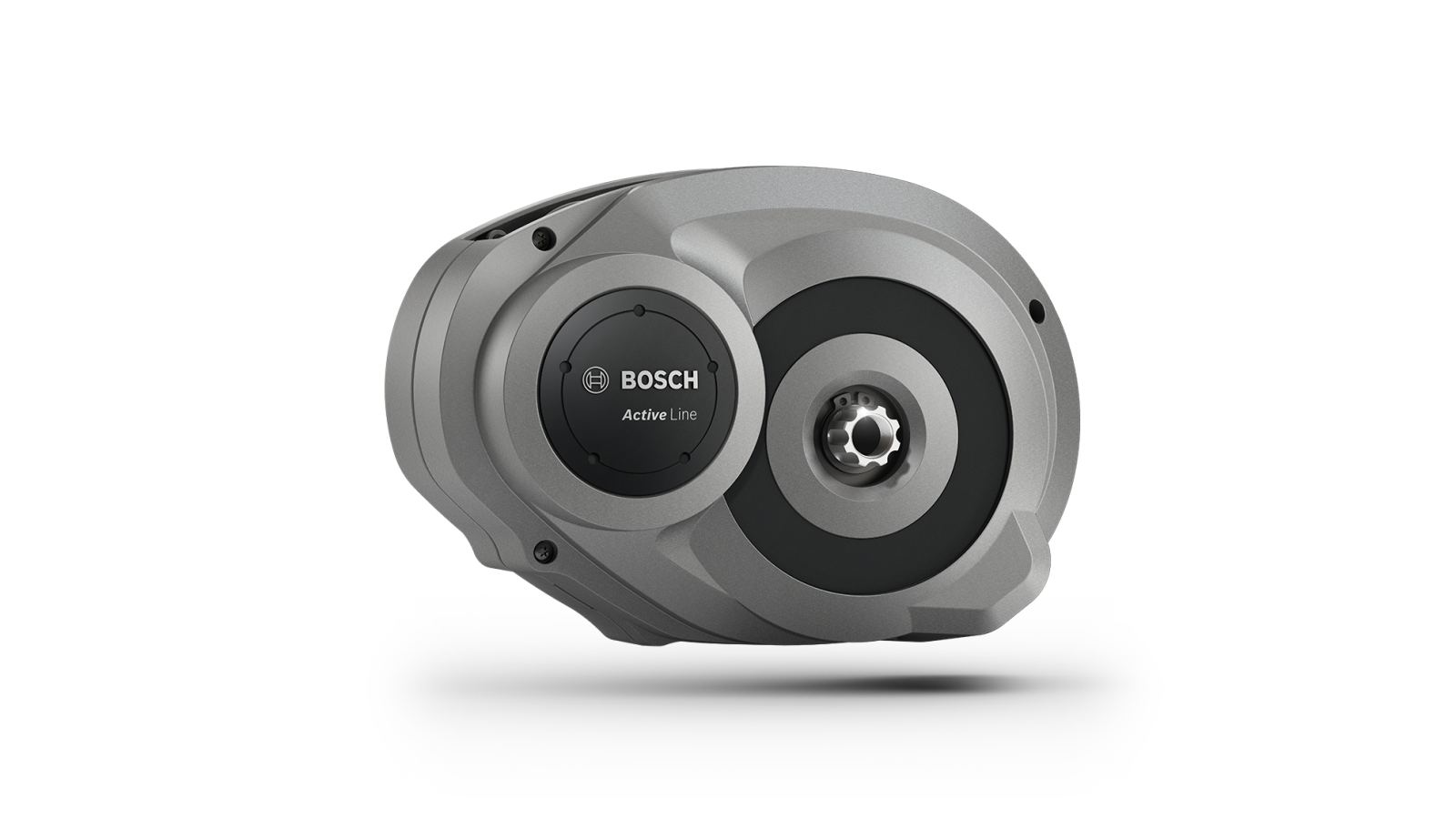 | BDU2XX | 2017-2019 | 40 Nm | 2.9 kg | Gen 2 |
The Evolution of Bosch eBike Systems: How We Got Here.
From Windshield Wipers to World Leader: The Bosch Timeline
Bosch didn’t invent the e-bike (supposedly this title goes to Yamaha), but they largely standardized it and, as a behemoth of the auto industry, managed to place themselves among the leaders in the sector.
An interesting and little-known fact is that Bosch used a power steering motor from their automotive division as their first prototype in the bicycle division. Engineers realized the steering motor had the perfect torque and durability for a bicycle drivetrain. They paired it with cordless drill battery technology to create the first prototype [ambmag.au].
Here is the evolutionary timeline that matters for mechanics and riders:
- 2010/2011: The “Classic+” Era (Gen 1)
Bosch enters the market. The motor was large, hung below the frame, and used a plastic internal gear that is prone to cracking. It established the mid-drive as the superior format for bicycles – a design with significant advantages: the weight is placed in the middle of the bike, and the motor can take advantage of the bicycle’s gearing. - 2014: The Game Changer (Gen 2)
The Active and Performance Line were introduced, eliminating the hanging motor design for a much cleaner look. Many of the e-bikes of that era are still in use today and are as dependable as when they launched. This generation introduced the controversial small drive sprocket (internal 2.5× gearing), which offered great torque but added drag when pedaling with the motor off. This also had disadvantages for double-suspension mountain bikes—the small chainring negatively affects suspension design. - 2020: The Magnesium Era (Gen 4)
Bosch finally ditched the small sprocket and internal gearing drag. The Performance Line CX Gen 4 used a magnesium casing to drastically reduce weight (2.9 kg). This new motor wasn’t just an evolutionary upgrade; it was a completely new design, which is still very much in line with the design principles used in Bosch’s 2025 and later motors. One common design feature is that Bosch is one of the few e-bike motor manufacturers that avoid planetary gearsets and instead use reduction gearboxes in their motors. - 2022: The Smart System (BES3)
This marked a shift from hardware to software. The ecosystem became even more closed and controlled. While bringing new and improved functionality, connected biking has its disadvantages as well. Live updates and online functions mean unsupported modifications are no longer easy, as an update delivered through the app can detect an unauthorized change and stop it from working. - 2025/2026: The Silent Era (Gen 5)
With the BDU384Y, Bosch focused on acoustics and sensor sensitivity. This motor is more of an evolutionary step from the Gen 4 – if you look closely, you can see the resemblance – but with much-needed upgrades to the mounting system and internal gearing design. The removal of the traditional gearbox rattle marks the biggest mechanical refinement in a decade.
The Bosch Gen 2 Motors (2013 – 2019)
These are arguably the most popular Bosch motors. Due to the long period of manufacture and the few updates these motors received over the years, they are often confused with the Gen 3 motor.
Bosch have released a service kit for these motors that replaces the drive-side bearing. Unfortunately, the bearing on the other side of the shaft is the one that suffers most from water damage, but isn’t covered in the kit.
We service these motors regularly and have all parts needed for the mechanical service in stock.
These motors may be either silver or black, and can be mounted horizontally or at an angle. They also have different plastic cases, making them look quite different.
They are segmented into three product lines – Active Line, Performance Line, and Performance Line CX. Many confuse the Performance Line CX motors with Gen 3 or Gen 4 motors, but that is incorrect. While more powerful and featuring a different-looking plastic case, the internals are the same as all Gen 2 motors.
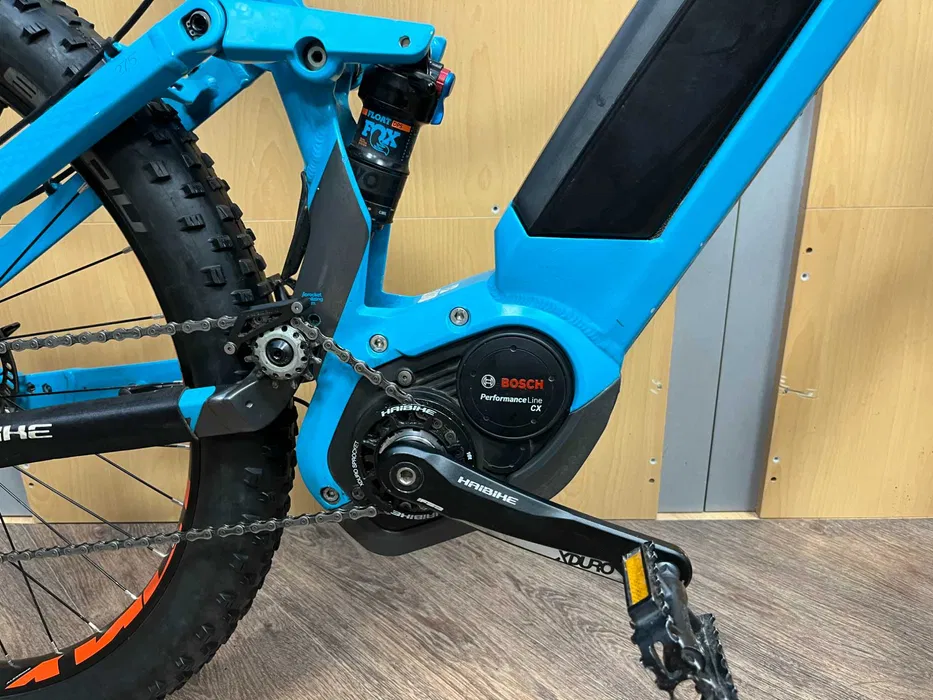
The easiest way to recognize the Gen 2 motors is by the small chainring they all have.

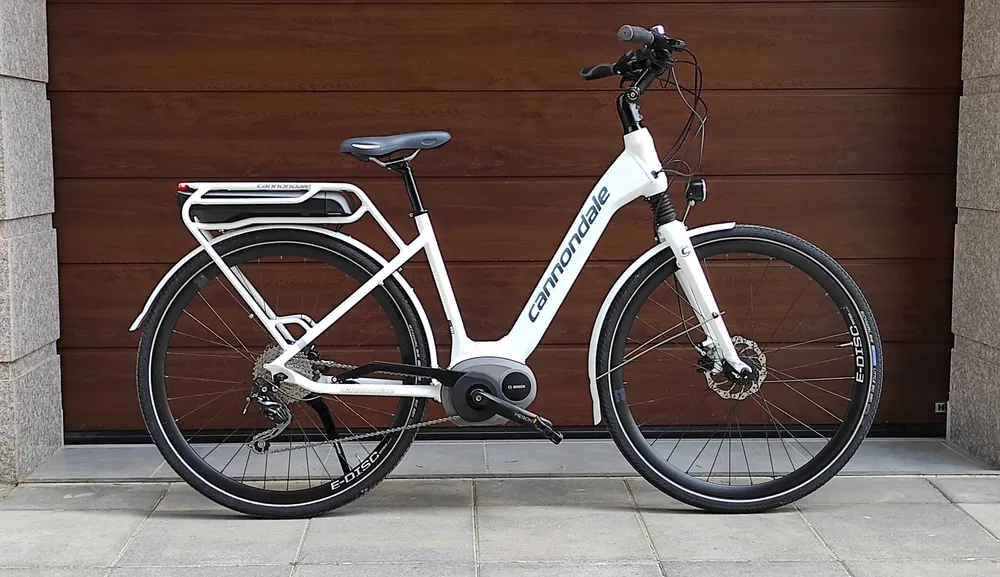
Pictures of Bicycles with Bosch Gen 2 Motors

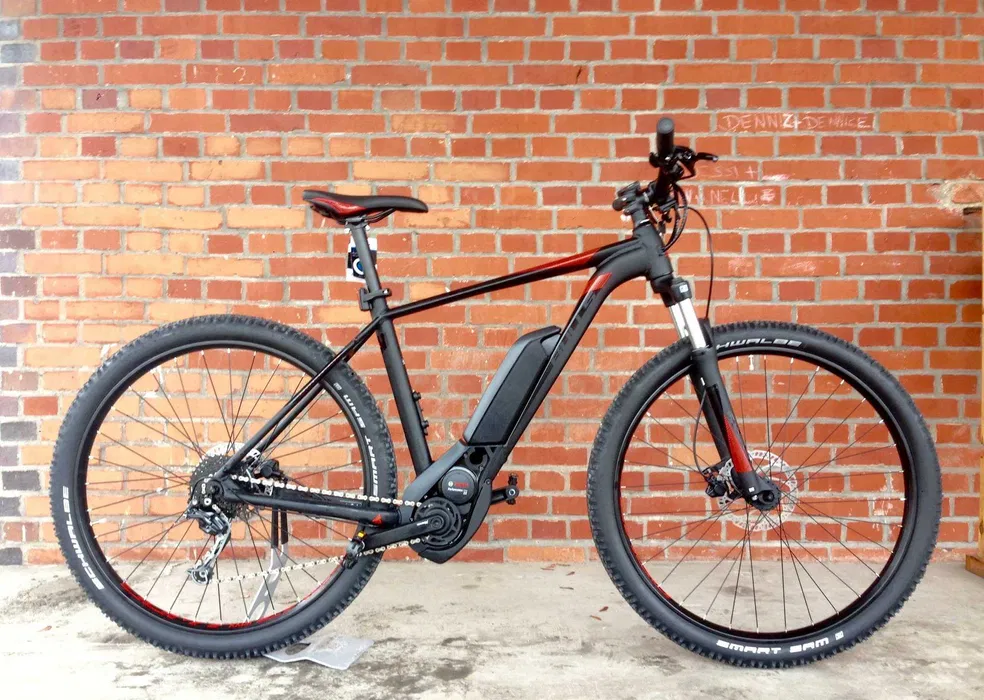
The Bosch Gen 4 & Bosch Gen 4 Smart System Motors (2020 – 2025)
The Gen 4 motors were the true replacements for the Gen 2 motors. They were designed and implemented as a universal motor for hybrid, mountain, city, and cargo bikes.
The Gen 4 motors have a significantly smaller package than the Gen 2 motors; however, they are still able to provide high output (at higher levels than the Gen 2). The Gen 4 motors are much lighter than the Gen 2, and more importantly, much more compact.
The new internal gearing design also provides much-needed reduced resistance while pedaling, which was one of the motor’s main downsides. The motor is also much better sealed and much quieter.
The only downside to this much more compact design is that the motors are a little more difficult to repair, and generally, at BiciFix we do not recommend inexperienced users attempt repairs on this motor.
All Gen 4 and Smart System motors have a large chainring and visible radiator fins.
We are yet to see if Bosch will release a service kit for these motors.
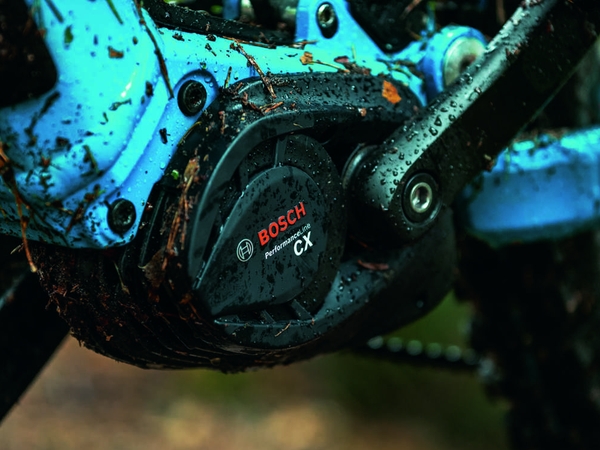
Pictures of Bicycles with Bosch Gen4 and Smart System motors
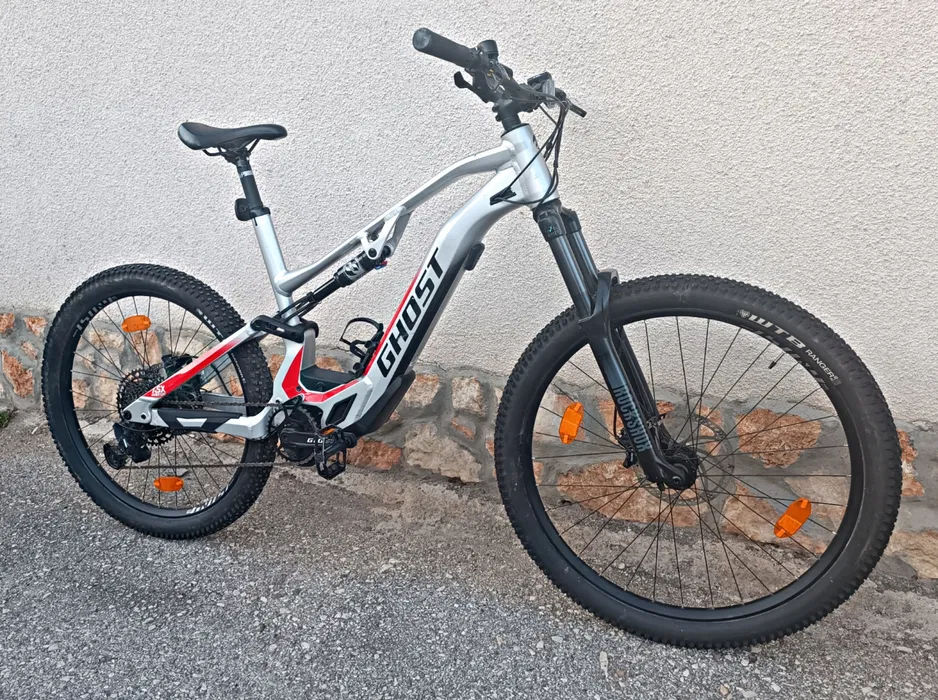


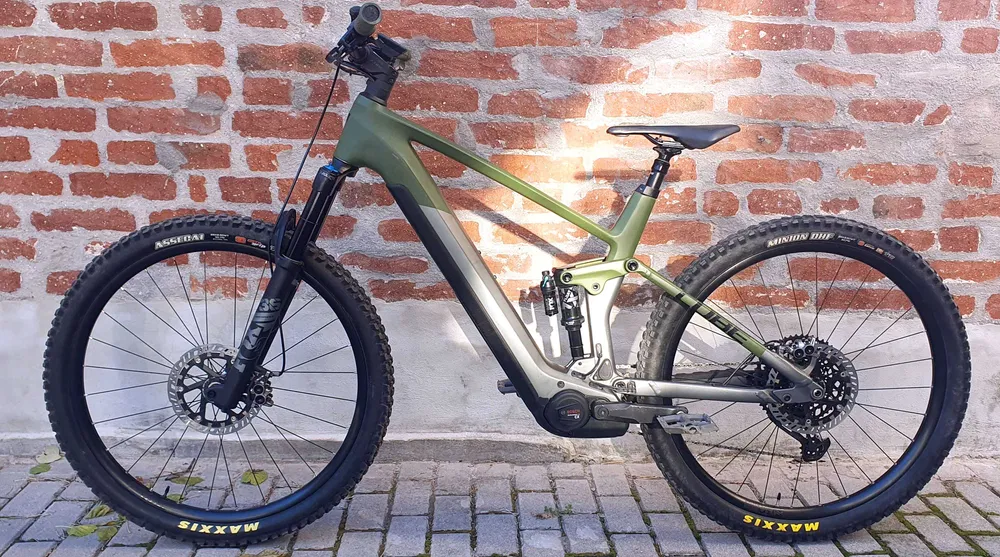
Bosch Gen 3 Motors (2018 – 2020)
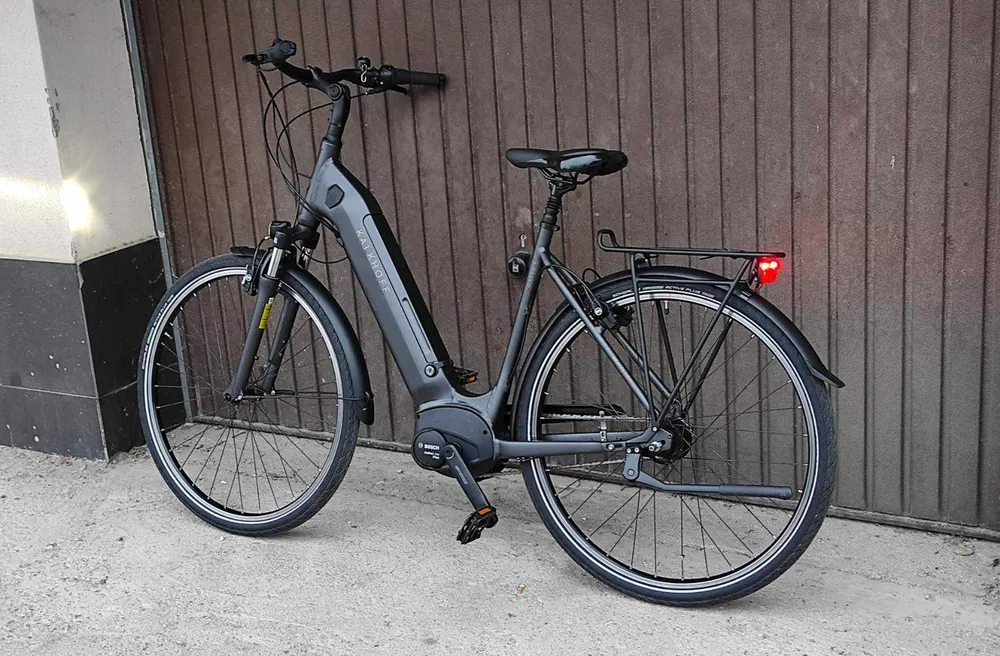
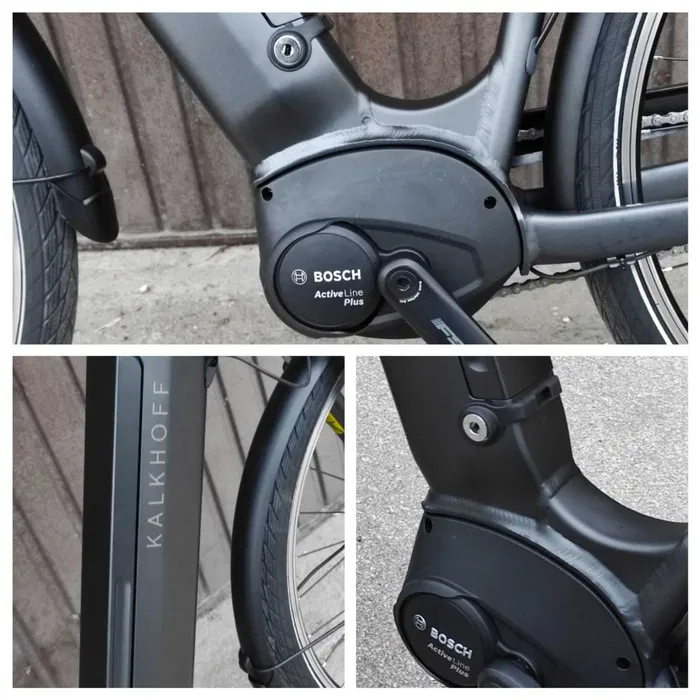
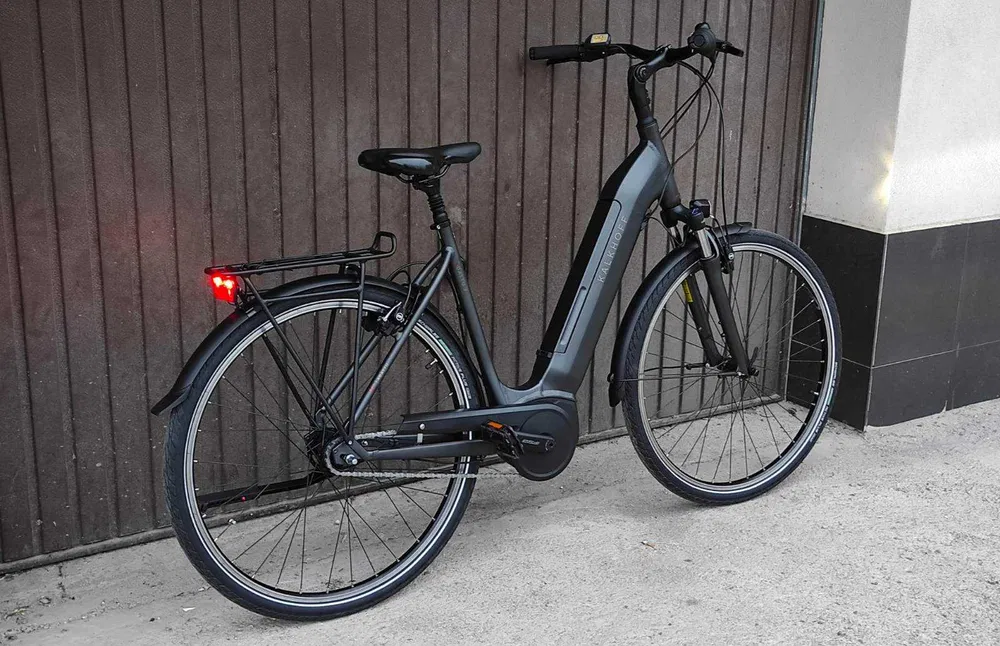
These are usually fitted to urban bikes. Their primary benefit is silent operation and battery efficiency. They have confusing naming, often being called Active Line, Active Line Plus, or sometimes Performance Line (without CX), which often leads to misidentification.
The easiest way to recognize the Gen 3 motors is by the large chainring they all have and the oval shape of the whole motor. We group them under the Gen 3 moniker due to their similar internal construction (different from the Gen 2 and Gen 4 motors).
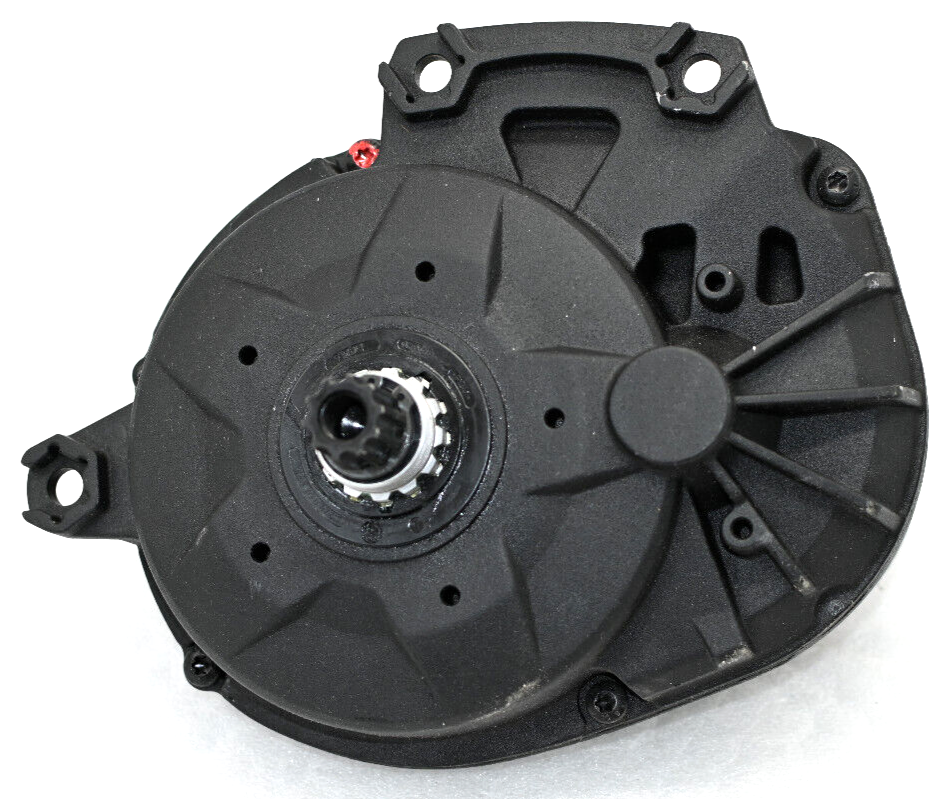
Pictures of Bicycles with Bosch Gen 3 motors
Bosch Gen 1 Motors (2011 – 2013)
The first drive units by Bosch are colloquially known as the Bosch Gen 1 motors.
They are easily recognized as the motors are not well integrated into the frames and hang below the bikes and chainring. These motors were built between 2011 and 2013, after which the Gen 2 motors started replacing them. Although reliable, these motors are seen less and less on the roads. Unfortunately, we are not able to provide repair services for these motors at the moment.
Frequently Asked Questions
A: No. It is physically impossible. The Gen 4 motor uses a 3-bolt mounting pattern, while the new Gen 5 (and SX) use a 2-bolt “pivot” mount. The frame mounting points are completely different. Furthermore, the electronic systems (wiring harnesses and connectors) are often specific to the frame generation.
A: Not necessarily. If you have a 2025/2026 model (Gen 5 or SX), this is likely the “floating bushing” issue, where the mounting bolts have too much play. We can fix this with the Bosch Expansion Dowel Update Kit.
If you have an older Gen 4 or Gen 2, creaking often comes from the motor mounting bolts needing to be re-torqued, or dry motor covers rubbing against the frame. However, a “grinding” or “rumbling” sound usually indicates internal bearing failure, which we can repair.
A: No. The “Smart System” (BES3, introduced 2022) uses rectangular connectors for both the charging port and the battery. The older “System 2” (BES2) uses round/oval connectors. They are not cross-compatible, and there are no official adapters to mix them.
A: Bosch used to sell a 6A charger for the System 2 bikes, which unfortunately wasn’t released for the SmartSystem. The fastest charger for SmartSystem bikes is a 4A charger.
A: Bosch motors are “splash resistant”, not waterproof. You should never use a high-pressure washer (like a Kärcher) on your motor or battery area. High pressure forces water past the seals and into the bearings, which is the #1 cause of motor failure we see at BiciFix. Use a bucket and sponge only.
A: The price varies due to the state of the motor, but generally, expect to pay between €250-€350 for a Bosch Gen 2 motor, and €300-€400 for a Gen 4 motor.
A: Error 504 (and 524 on newer systems) indicates detected “tuning” or manipulation. If you have installed a speed unlocker chip, the motor has detected it and gone into “limp mode” (reduced power). To clear it, you usually have to ride the bike unassisted for 60–90 minutes.
Warning: Repeated errors can permanently lock the motor, requiring a dealer tool to unlock it.
A: “Sealed for life” usually just means “until the warranty runs out.” At BiciFix, we specialize in repairing these motors. We can replace the main drive bearings, internal sprag bearings, and various broken parts for most generations (Gen 2, 3, and 4). This is significantly cheaper than buying a replacement motor (which costs €700–€900).
A: We regularly see Gen 2 and Gen 4 motors surpass 20,000 km if they are well maintained. The key is keeping water out of the bearings and not riding in “Turbo” mode at very low cadences (which puts massive strain on the internal plastic gears). Our highest-mileage client has reached 55,000 km with one motor service from us.
 Bosch eBike
 Componentes Electricos
 Motores
 Acesorios motor
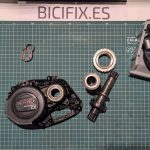 Rodamientos y Piezas internas
 Motor Accessories